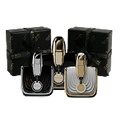
Choosing a quality Arabic perfume requires understanding Arabic perfumery, which is built on high oil concentrations, rare natural materials, and layered compositions that unfold slowly over hours rather than minutes.
Lately, as people worldwide have become familiar with Middle Eastern scents, cheaper copies have also flooded in: light fragrances, synthetic blends, or fake Oud tricks dressed up but lacking substance. Knowing what makes a good Arabic perfume means looking at the core ingredients, concentration, production, and even where these things come from. This keen knowledge helps people pick Arabic perfumes that last, get richer over time, and are worth what they cost.
What Defines a Quality Arabic Perfume
Quality in Arabic perfumery is determined by technical standards rather than branding or bottle design alone. Moreover, a well-crafted Arabic fragrance demonstrates clear intent in its formulation choices, transparency in its materials, and consistency in performance. So, the definition of quality is based on technical composition, not the bottle's aesthetics.
Ingredient Authenticity and Raw Material Quality
High-quality Arabic perfumes rely solely on the quality of formulation material.
Oud is the most essential yet most misunderstood ingredient. While many are confused about the source, the genuine oud oil is distilled from resinous agarwood, which is formed through natural infection. It is complex, slightly animalic, woody, leathery, and changes character over time. Authentic oud never smells flat.
Fake Oud versions usually lack the depth that real Oud effortlessly offers. The true oud feels thick and pours slowly, often shading from golden to deep red-brown. Once it touches the skin, changes become hard to miss. A sudden crackle appears, which then slowly gives way to long, earthy notes, like wood smoked low or old bark soaked in rain. Most importantly, time plays its part too for real Oud to unfold: wait half an hour, and the scent will settle and last longer.
However, some other materials commonly found in well-made Arabic perfumes include:
- Taif rose (rich, honeyed, never metallic).
- Frankincense and myrrh from the Arabian Peninsula.
- Natural amber accords built from labdanum and resins.
- Saffron with warmth rather than harsh spice.
- Sandalwood with creamy depth, not dry bitterness.
Brands that specify ingredient sourcing and formulation intent are consistently more credible than those relying on generic luxury language like “rich oriental notes”.
Concentration Levels and Longevity Standards
Secondly, good quality Arabic perfumes are known for performance because they are formulated to last. These are the typical concentration benchmarks each real Arabic perfume is formulated according to:
-
Parfum / Extrait (20–40% oil): Standard in premium Arabic perfumes, and for this reason, Arabic perfumes offer Longevity that often exceeds 24+ hours. Only brands like Elyon Dubai offer this level of concentration and performance.
-
Eau de Parfum (15–25% oil): That’s the reason why many Arabic EDPs outperform Western perfumes.
-
Eau de Toilette (5–15% oil). It is Less common in Arabic perfumery because of cultural preference for longevity and strong performance.
-
Attars / Perfume Oils (alcohol-free): These are applied in drops, are extremely long-lasting, intimate projection.
Quality brands clearly state concentration types. They even use phrases like “long-lasting fragrance” without concentration disclosure, which often indicates lower formulation standards.
Types of Arabic Perfumes You Should Know
Understanding types of Arabic perfumes helps buyers decide and buy authentic Arabic perfumes and avoid mismatched expectations and costly mistakes.
1. Oud-Based Perfumes
These use real oud, high-quality blends, or oud-centric accords. One thing to differentiate real from fake ones is that quality versions evolve gradually and deepen over time. However, the poor quality ones smell sharp and collapse quickly.
2. Attars and Concentrated Oils
These are the most traditional forms of Arabic perfumery and often the longest lasting. These alcohol-free oils are applied directly to pulse points. Only a single drop or swatch is enough.
3. Modern Arabic Eau de Parfums
These types of perfumes are designed for global wearability while retaining Arabic structure. Brands like Swiss Arabian, Orientica, and Lattafa excel in this space by balancing richness with restraint.
4. Bakhoor-Inspired or Amber-Heavy Scents
These scents are built around warmth, smoke, and resin. It is best suited for evening or cooler weather.
How to Evaluate Arabic Perfume Quality on Skin
A quality Arabic perfume reveals itself slowly and evolves with time. Arabic perfumery is not built around instant appeal. The same level of patience is required for a good Arabic perfume to reveal its true structure. So, when testing,
- Apply to clean skin, not paper strips, please.
- Avoid judging the first 10 minutes; let it unfold at its natural pace.
- Observe development over 3–6 hours to feel the scent structure and transition.
Remember the fact that high-quality fragrances usually show a certain pattern. Quality Arabic perfumes:
- Change noticeably from opening to dry-down
- Reveal new facets over time (woods, resins, musks)
- Maintain clarity without collapsing into a single note
But linear scents that smell identical from start to finish often rely heavily on synthetics.
Also, consider that the texture and feel of oils and attars are different:
- The liquid should feel slightly viscous, not watery.
- A single drop should suffice.
- The scent should bloom gradually with body heat.
Moroever, remember these longevity benchmarks:
- EDP: 8–12 hours
- Parfum or oils: 12–24+ hours
If a fragrance disappears within three hours, it likely does not meet Arabic quality standards. But be sure if the fragrance actually disappeared or if you got noseblind.
Brand Heritage, Credibility, and Transparency
Established perfume houses provide an additional layer of quality assurance. Brands with decades of documented production history depend on consistency rather than trend-driven releases.
Heritage and established regional brands include:
-
Ajmal (founded 1951)
-
Rasasi (established 1979)
-
Swiss Arabian (founded 1974)
-
Al Haramain, known for oud-focused compositions
Newer brands can still meet quality benchmarks when they demonstrate transparency, formulation intent, and consistency. Brands such as Lattafa, Orientica, and Elyon Dubai have gained recognition by maintaining clear concentration standards and performance-led design.
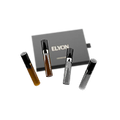
Elyon Dubai, for example, positions itself with high oil concentrations, restrained compositions, and a globally wearable structure, favoring balance over excessive projection, while maintaining performance standards associated with Arabic perfumery.
Packaging and Authentication Indicators
Packaging is not merely aesthetic in Arabic perfumery; it also protects volatile oils and signals legitimacy.
High-Quality Packaging Standards
- Rigid, well-constructed boxes with precise printing.
- Heavy glass bottles with smooth edges.
- Atomizers produce fine, even sprays.
- Secure caps without looseness.
Authentication Features
Many reputable brands include:
- Batch codes printed or engraved (not stickers).
- Matching batch codes on the bottle and the box.
- QR codes or holographic seals.
- Manufacturer details and country of origin.
Misspellings, blurry text, mismatched packaging, or missing batch codes are strong counterfeit indicators.
Where to Buy Arabic Perfumes Safely
Source credibility is critical. Your fragrance investment must turn out good. To make sure your money and efforts go in the right place, here are some recommended purchasing channels:
-
Official brand websites of the Arabic perfume.
-
Authorized retailers listed on brand platforms.
-
Established perfume specialists with verified supply chains.
Brands such as Elyon Dubai, Ajmal, Rasasi, and Swiss Arabian operate official online stores and ship internationally, reducing authenticity risk.
But the market is crowded with fake sellers disguised as trusted perfume-selling sites. It is crucial to spot fake sites from real ones. So, you must avoid purchasing Arabic perfumes from:
-
Marketplace sellers offering steep discounts without receipts.
- Listings using generic stock images.
-
Prices far below market norms.
Price Expectations and Value Reality
Arabic perfumes often offer better value than Western luxury fragrances, but raw material costs still apply.
General price ranges:
- Mid-range quality brands: $40–80 (100ml EDP)
- Heritage or premium lines: $80–200
- High-concentration niche offerings: $150–300+
- Pure oud oils: $100–500+ (12ml), depending on origin
Extremely low prices usually indicate synthetic substitutions or dilution.
Buyer's Guide to Choosing the Right Arabic Perfume
-
For beginners: Floral-oriental or gourmand compositions with moderate intensity.
-
For experienced wearers: Oud, amber, or resin-heavy structures.
-
For gifting: Unisex, balanced fragrances with controlled projection.
-
For warm climates: Citrus-woody or musky bases with restraint.
-
For cooler climates: Dense ambers, oud, and resinous accords.
Sampling before committing to full bottles is always recommended. Many brands and retailers offer discovery sets or decants.
Frequently Asked Questions
How can I tell if an Arabic perfume uses real oud?
Real oud evolves on skin, softening into deep woody or leathery tones. It feels viscous, lasts many hours, and is rarely inexpensive. Synthetic oud smells linear and medicinal.
What concentration should I look for in a quality Arabic perfume?
Look for 15–25% in Eau de Parfum and 20–40% or higher in Parfum. Attars are 100% oil. Brands confident in quality disclose these details clearly.
Are all Arabic perfumes strong and heavy?
No. Many modern Arabic perfumes are balanced and refined. Brands like Elyon Dubai and Swiss Arabian offer controlled, globally wearable compositions.
Is a higher price always equal to better quality?
Not always, but unrealistically low prices usually indicate lower ingredient quality. Evaluate concentration, transparency, and brand credibility rather than price alone.
Final Words
A quality Arabic perfume is defined by authenticity, concentration, evolution, and quality of production. By understanding ingredient quality, performance benchmarks, packaging standards, and sourcing practices, buyers can confidently understand Arabic perfumery and select fragrances that reflect its true heritage: depth, longevity, and substance.