The first step in fragrance discovery is self-awareness. The more you know about yourself, the easier it becomes to find the scent that feels like you.
In case you’re unsure where to start, these ten questions will help you understand not just what you wear, but why, translating your personality, rhythm, and emotion into scent.
To Wear or Not to Wear, That Is The QUESTION.
But really, which part of you wishes to be seen answers this question.
Perfume, much like Hamlet’s soliloquy, is an inner dialogue between your skin and the air, your past and your becoming. The right fragrance does not just suit you; it recognizes you, becomes a part of you. It completes a sentence your body has been whispering all along.
To some, perfume is just a fashion accessory. To others, it is a language and invisible autobiography, written with molecules that return like memories.
As Jean-Claude Ellena said, “Perfume is a story in odor, sometimes poetry in memory.”
And no fret, this is not going to be quix or a shopping list to overwhelm you. But it is a map of ten questions to locate your soul’s most natural scent. So, let’s take a closer look:
1. How do you want to feel when you wear perfume?
Perfumes are emotions liquified. A fragrance has the undeniable power to make or break your personality or vibe. Some wear it for calmness, while others wear it for power and project confidence. So, ask yourself: How do I want to feel today?
Do you crave freshness and clarity, or depth and intrigue?
Notes and scent families here can help you here. Notes like citrus and aquatic often evoke freshness and lightness. On the other hand, woody and oriental compositions suggest warmth and intensity. So, if your goal is calm assurance, go for creamy sandalwood or soft iris, as they are introspective and steady companions.
As Francis Kurkdjian notes, “Perfume is an art of mood; it amplifies what’s already inside you.” The moment you know what your mood feels like, finding the right scent is no hard at all.
2. What memories do you want your scent to evoke?
Perfume has an eerie talent: it remembers for us. Your most resonant fragrance may feel like déjà vu. One whiff can bring back golden chapters of our lives, a place or someone you thought you had forgotten.
Christine Nagel of Hermès describes her process beautifully. She says, “When composing perfumes, I take memory as my palette and each note as a chapter I once lived.” This way, the fragrance might not just smell lovely, it actually reminds you back.
So, think of what you want your perfume to remind you of. Are you drawn to cherishing past memories, or do you like to create new associations?
If your ideal fragrance recalls comfort, try gourmand blends of vanilla, tonka, and musk. If you crave wanderlust and freedom, reach for airy ozonic notes or exotic woods that remind you of travel, salty air, or thrill.
3. Where do you feel most alive and just yourself?
Scent geography is not random; it says more about you than you know about yourself. Your scent preferences are shaped by your surroundings. Some come alive by the ocean, their hearts tuned to salt and wind. Others find peace in libraries, old books, small cafés, or candle-lit rooms. Ask yourself where you feel pbelonged most?
Fragrance expert Luca Turin explains this idea as “portable landscapes”. According to her, the right perfume can teleport you instantly, and a bottled geography has the power to keep your favorite place close.
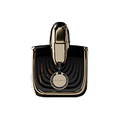
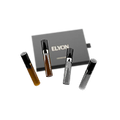
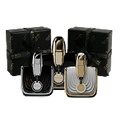
If your love outdoors, consider fresh, aromatic, or citrus notes that reflect nature. But if your energy blooms in the city, you should try leather, spice, tobacco; they reflect urban warmth distilled into scent. And if we have to name a scent that offers exactly these urban and sophisticated vibes, it is Himeros by Elyon Dubai. Do check it out.
4. What textures attract you the most?
Texture is the silent language of any scent.
If you love the crispness of linen, you might enjoy aldehydic florals or clean musks. And if you’re more inclined to velvet and cashmere, then amber, vanilla, and soft woods may feel right at home. Similarly, leather lovers often appreciate smoky, resinous, or animalic compositions, which are mostly tactile, sensual, and commanding.
Consider your tactile preferences as clues: they reveal whether your nose seeks lightness or depth, airiness or warmth. After all, perfumes, like fabric, are worn, not simply sprayed. So, they must feel like you on the skin.
5. What time of day feels most like you, dawn, noon, or night?
Every hour has its mystery, mood, and of course, a scent.
If morning energy defines you, look for radiance; if night fuels your depth, explore shadows. The perfect fragrance will echo your hour.
If dawn feels like your sanctuary, you may love perfumes that mirror freshness, dew-kissed petals, citrus zest, and green stems.
Noon people often prefer balanced musks, soft woods, and transparent amber.
But for those who come alive after sunset, perfume becomes atmosphere in the form of oud, resin, patchouli, and spice.
Each time of the day has its own olfactory rhythm. Find the one that matches your own internal clock.
6. How do others describe your energy?
Sometimes others see us more clearly than we see ourselves. Understanding how your energy is perceived can help you choose a fragrance that complements you.
Analyze how people see you. Are you often described as calm, magnetic, playful, or mysterious?
Each perception and word you hear can guide your fragrance match. Playful spirits often match with bright florals and fruits, peony, pear, and mandarin. The calm find harmony in tea, iris, or sandalwood. The mysterious thrive in patchouli, incense, or oud, fragrances with shadow and depth.
As Dominique Ropion once observed, “Perfume is personality translated into chemistry.”
7. How do you dress when you want to feel most yourself?
Fashion and fragrance share the same heartbeat; both are languages of self-expression.
If your style is minimalist, you might prefer sheer florals, musks, or watery greens that are clean and understated in elegance. If you love statement pieces and bold accessories, oriental or woody perfumes give that confidence.
Even the color tells a story: neutral wardrobes often pair beautifully with powdery or woody scents, while vivid tones call for florals or citrus blends.
Remember, perfume is not an accessory; it’s the final layer of your aesthetic, invisible, but essential.
8. What sense leads you: scent, sound, touch, or sight?
Understanding your sensory bias helps narrow your choices; it reveals whether you seek crisp clarity or enveloping warmth.
Visual thinkers may enjoy perfumes with clear structure and contrast, bright top notes that fade into darker depths. Those attuned to sound might prefer rhythm in compositions that rise and fall like melody. If touch rules your world, musky or creamy accords will comfort you.
As Jean-Claude Ellena reminds, “Perfume is an invisible music, harmony exists only when you listen with all senses”. Your dominant sense influences how you perceive perfume.
The more senses you bring to the experience, the deeper your connection to your fragrance gets.
9. How long do you want your fragrance to linger?
Longevity defines personality.
Some scents are quick hellos: citrus, cologne, or airy florals. Others linger like memory: amber, oud, or balsam.
But if you prefer subtlety, choose lighter concentrations like eau de toilette. If you want intensity, explore parfum or extrait, which carry richer oils.
It is not about lasting the longest. It is about matching your perfume’s rhythm to your own lifestyle and mood.
10. Whose approval matters most, yours or others’?
This is the most revealing question of all.
Perfume becomes art the moment it is worn for yourself, not applause. If you wear fragrance as expression, not validation, you open space for individuality and experimentation.
As Serge Lutens once said, “Perfume is the only accessory that truly belongs to the wearer.”
The world of scent is vast: from minimalist skin musks to opulent ouds, every bottle carries a philosophy. But the right perfume is not what others notice first; it is the one that feels wrong to leave home without.
Way to Your Signature
Fragrance critic Chandler Burr once wrote, “A great perfume is not an object, but a connection, between the invisible and the intimate.”
Each answer you’ve given, consciously or not, sketches the outline of your olfactory portrait. At this point, you can be sure of what you crave: warmth over brightness, or intimacy over projection. Let your mood, rhythm, and story guide your decision to choose your signature fragrance. Perfume selection is not a hunt for trends; it’s self-recognition. Through these questions, you have begun to decode your preferences, moods, and sensory memories, that shapes your unique scent identity.
Perfume, after all, is not just what we wear;
It’s how we exist in air, memory, presence, and emotion, distilled into beauty.